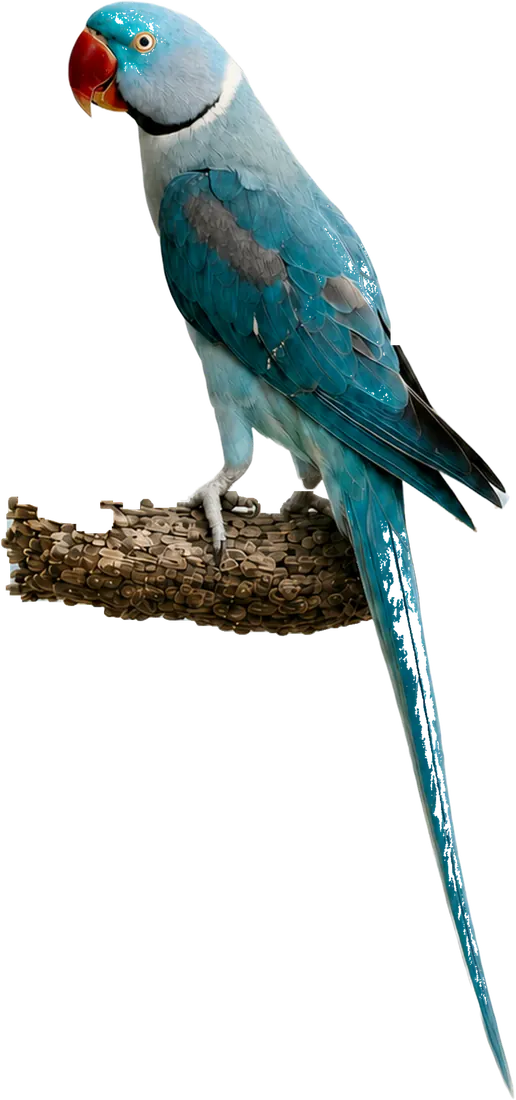
Blue
Removes psittacin/yellow pigment, changing the normal green wild-type bird into blue. One of the foundation mutations in Alexandrines.
Autosomal recessive. Part of the blue/parblue allelic series with Aqua and Turquoise.
A structured reference for mutation names, inheritance types, visual expression, and breeder notes.
Mutation entries below cover the primary Alexandrine allele set. Each card includes the mutation name, Arabic translation, inheritance type, allele symbol, and breeder-focused notes. Combination phenotypes such as Cobalt, Mauve, Olive, Albino, and Cremino are calculated results from these base genes.
Mutation information is presented as a breeder reference and should be interpreted with parentage, breeding records, and visual confirmation. Some developing mutations may vary between lines.
Removes psittacin/yellow pigment, changing the normal green wild-type bird into blue. One of the foundation mutations in Alexandrines.
Autosomal recessive. Part of the blue/parblue allelic series with Aqua and Turquoise.
A parblue allele that reduces psittacin more strongly than Turquoise. The body shifts toward aqua, pale blue-green, or soft sea-green tones.
Autosomal recessive. Allelic to Blue and Turquoise within the parblue series.
Breeder note: Aqua is sometimes referred to as Jade in certain breeder circles, but AKQ records it as Aqua for genetic clarity.
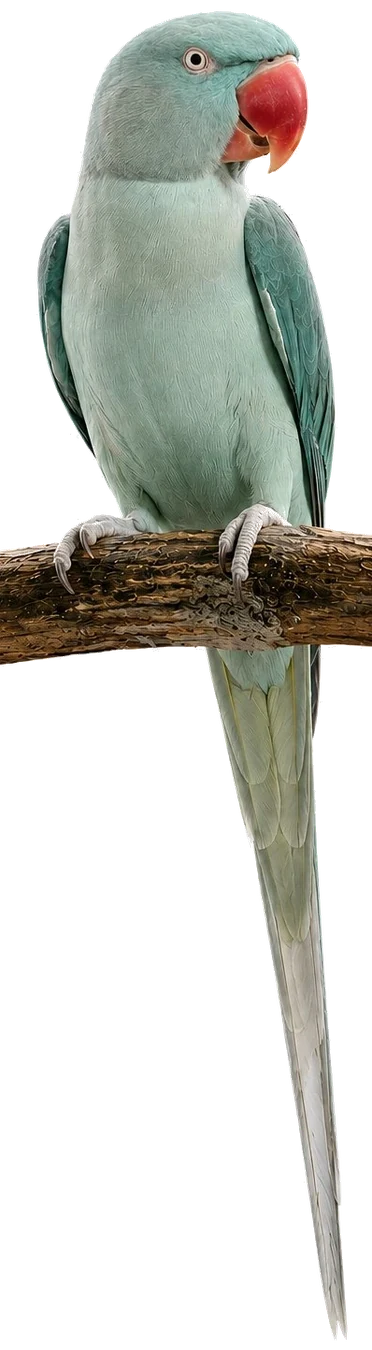
A parblue allele with partial psittacin reduction. The bird retains more green/yellow influence than Blue and shifts toward turquoise or sea-green.
Autosomal recessive. Allelic to Blue and Aqua. T1/T2 cross-over options may apply in calculator modelling.
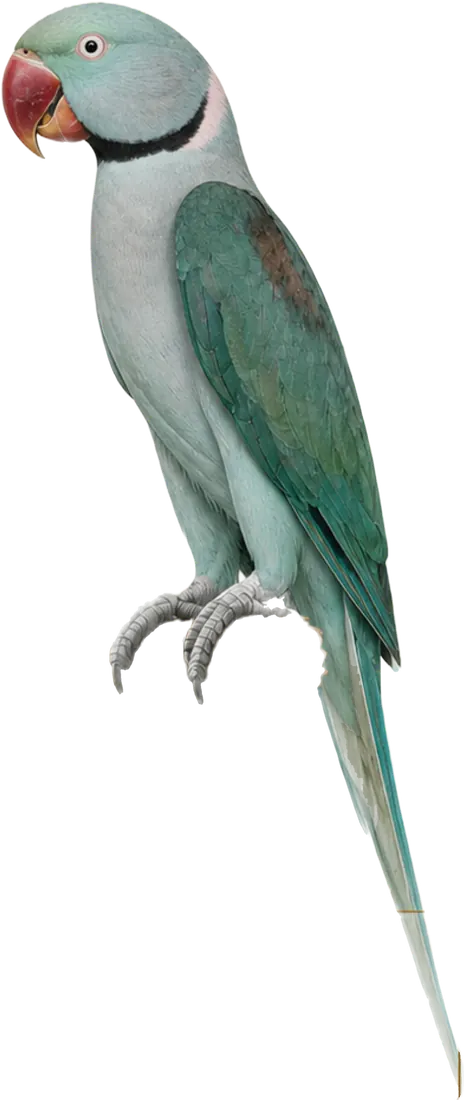
Reduces overall melanin density across the body, giving a lighter, softer, washed appearance compared with the normal colour form.
Autosomal recessive.
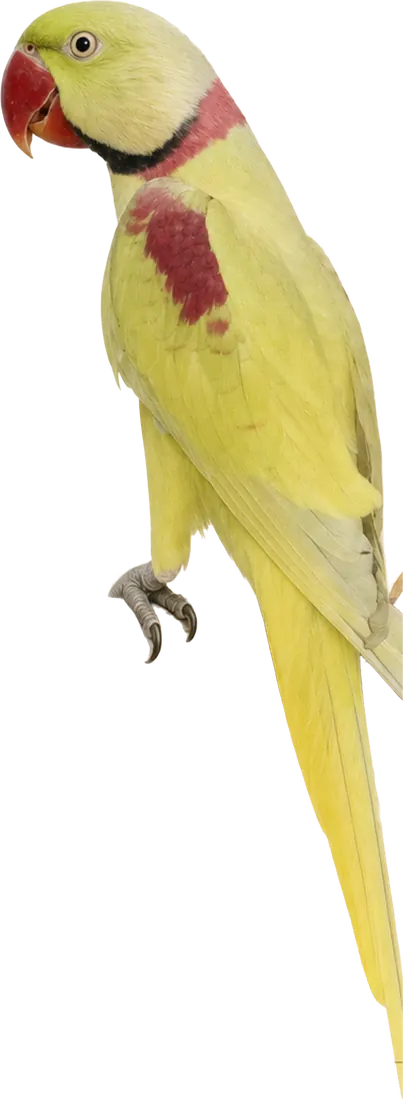
Reduces eumelanin and usually produces a lighter body colour with red or plum-toned eyes. The bird appears softer and more washed than the normal form.
Autosomal recessive.
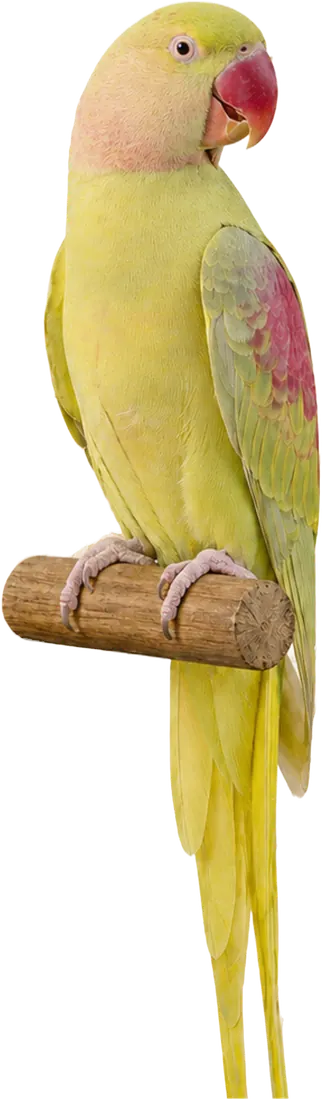
Creates a clearer/yellower head area while the rest of the body largely retains normal pigmentation. Expression should be judged carefully against similar clear-zone mutations.
Autosomal recessive.
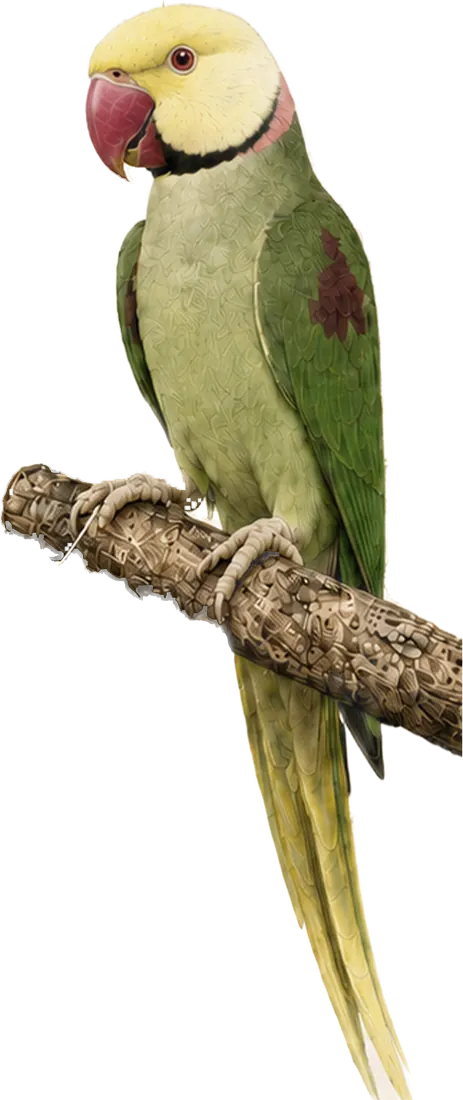
A recessive grey green mutation at a different locus from Dominant Grey. It can appear visually similar, so breeding results are important for confirmation. Combined with Blue it produces a grey bird, called Rec. Grey, in the same way that Grey Green combined with Blue produces Grey.
Autosomal recessive. Distinct from the autosomal dominant Grey locus.
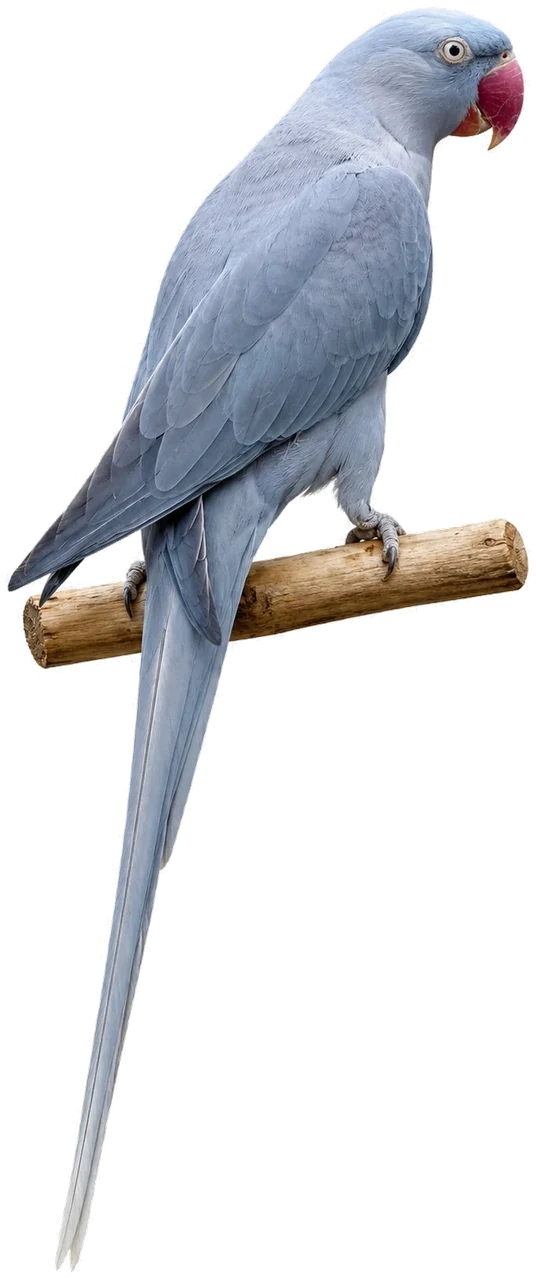
Produces irregular pied or clear patches on the body. It is genetically separate from Dominant Pied and must not be grouped with it.
Autosomal recessive. Distinct locus from Dominant Pied.
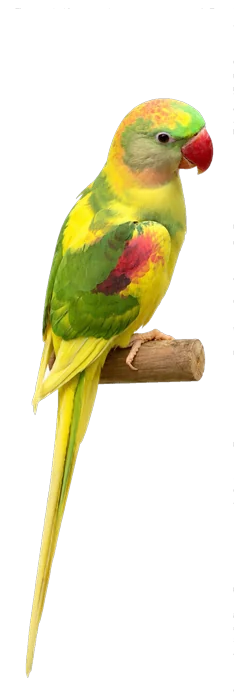
Adds a bronze or coppery sheen to the body feathers. Single factor and double factor birds may show different levels of visual expression.
Autosomal dominant/incomplete dominant with SF and DF states.
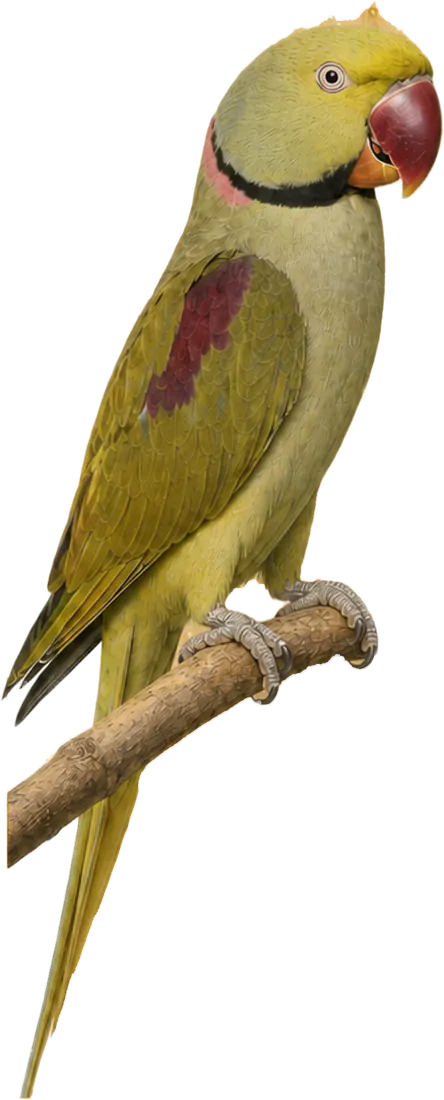
Darkens the base colour. In the green series, SF produces Dark Green/Jade and DF produces Olive. In the blue series, SF produces Cobalt and DF produces Mauve.
Autosomal dominant/incomplete dominant with SF and DF states.
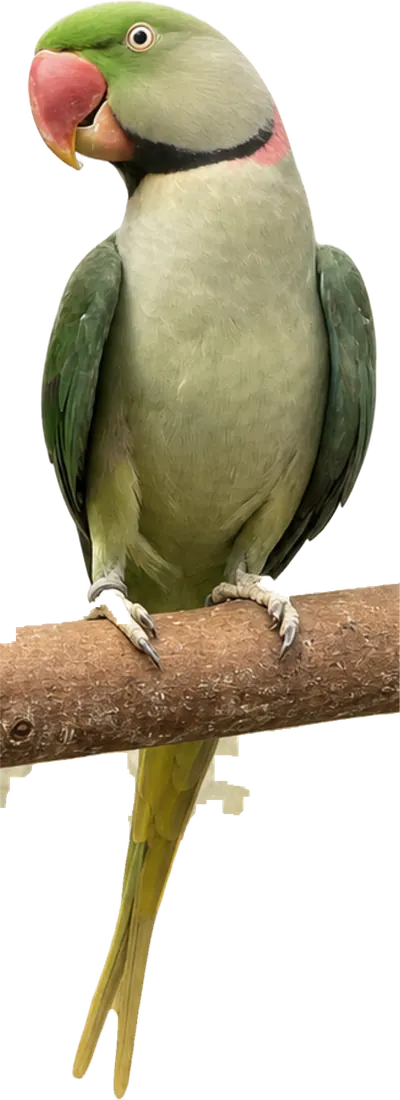
Produces pied patterning from a single dominant copy. The amount and placement of pied marking can vary between birds. It is distinct from Recessive Pied.
Autosomal dominant. Different locus from Recessive Pied.
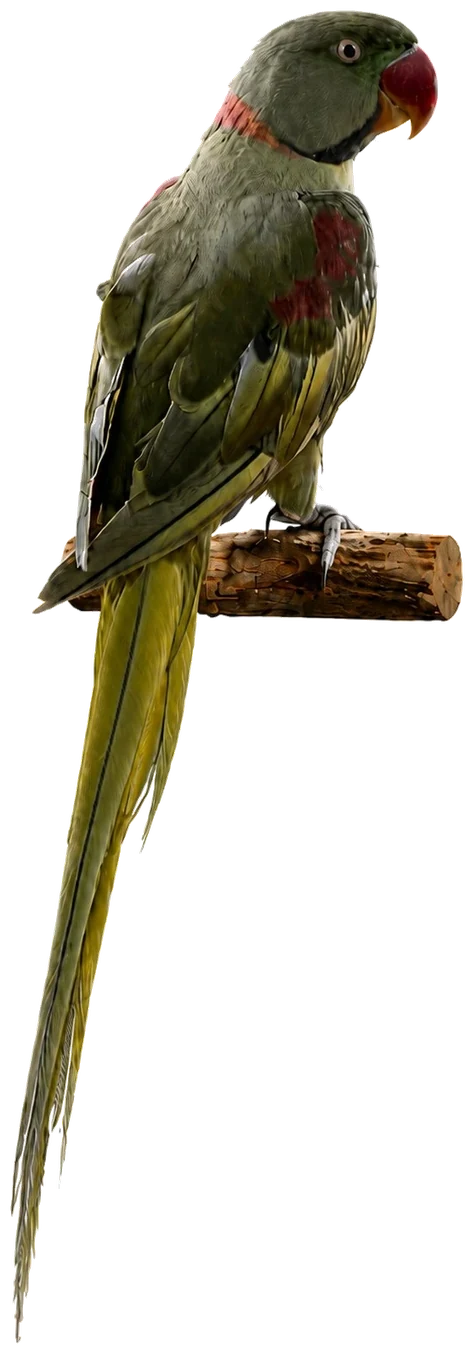
Modifies structural colour, turning blue-series birds toward grey and green-series birds toward grey-green. SF and DF can be visually close.
Autosomal dominant. Different locus from Recessive Grey Green.
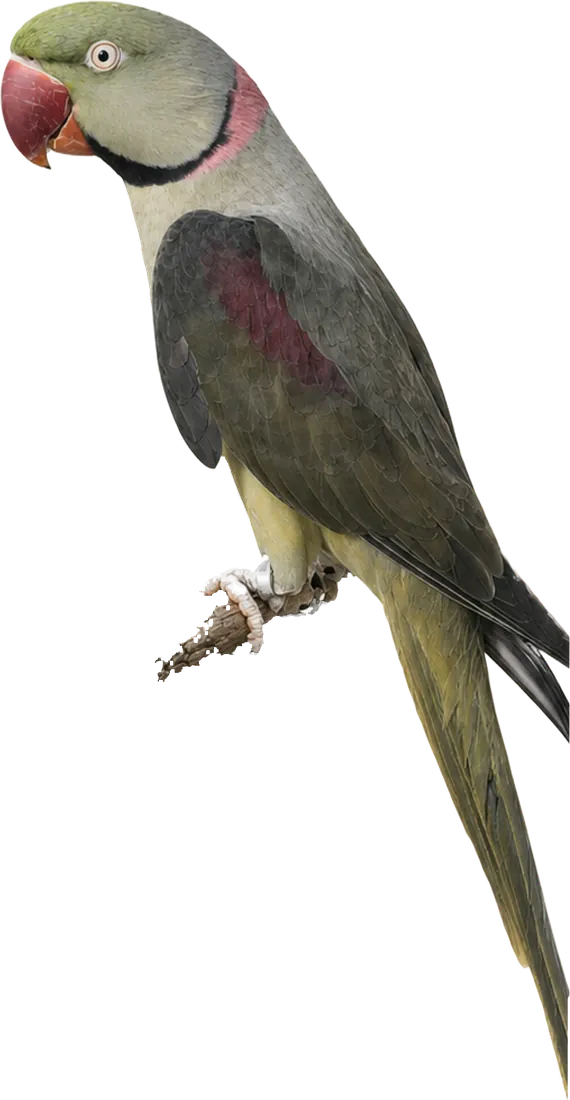
Adds a slate-blue or grey-blue overlay, most clearly seen in blue-series birds. It is visually different from Grey and should be treated as a separate mutation.
Autosomal dominant/incomplete dominant with SF and DF states.
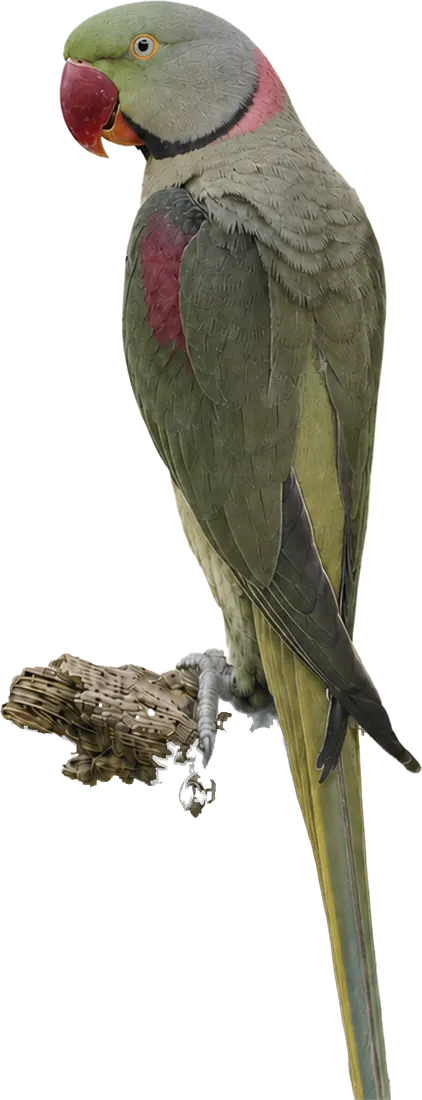
Changes the feather pattern and edging, creating a reverse-pattern or spangled effect. Should not be confused with pied mutations, which create irregular clear patches.
Autosomal dominant/incomplete dominant. SF and DF forms can show different visual phenotypes.
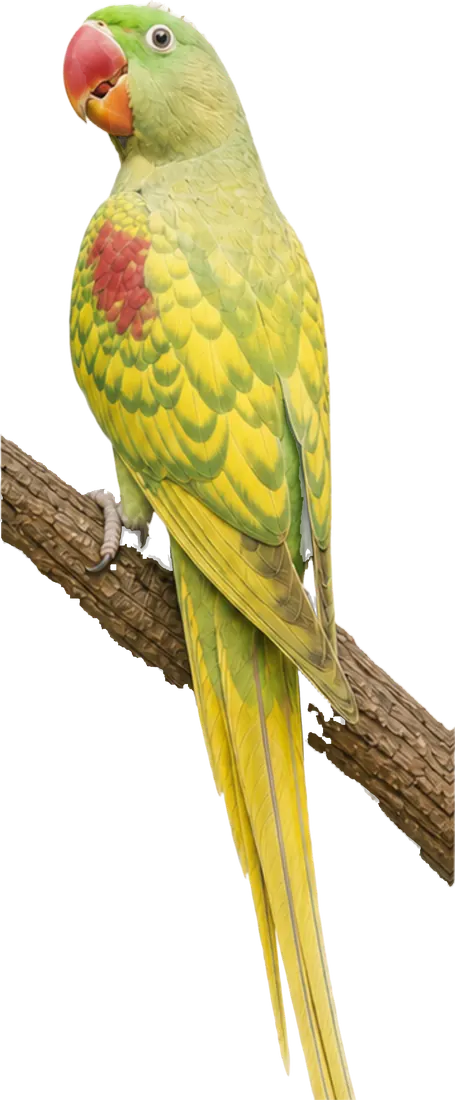
Adds violet influence to the body colour. The strongest visual expression is usually seen when combined with blue-series birds and dark factor.
Autosomal dominant/incomplete dominant. Can combine with Dark factor to produce stronger violet-blue phenotypes.
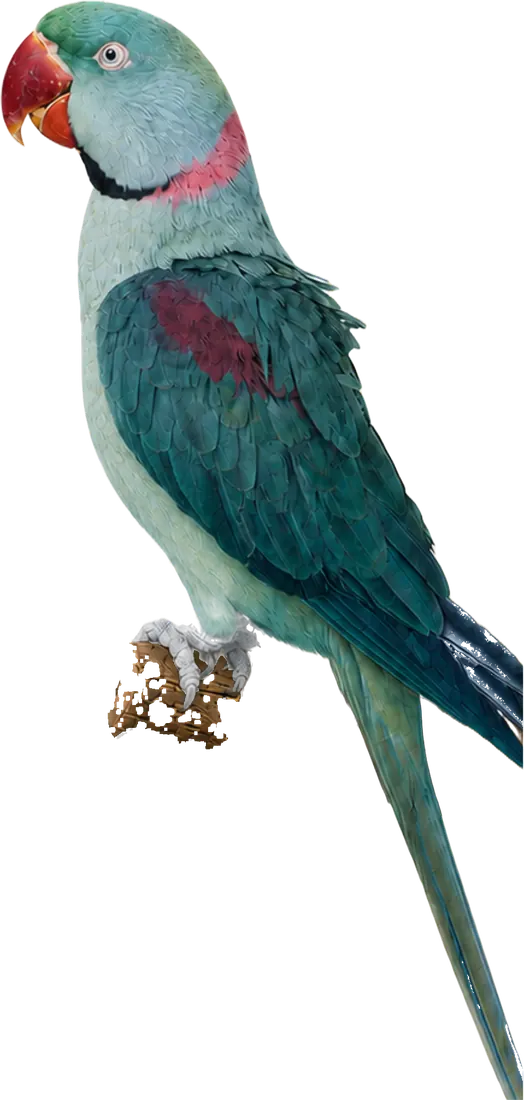
Converts black eumelanin toward brown, giving the bird a warmer, softer cinnamon tone. Sex-linked, so hens cannot be split for Cinnamon.
Sex-linked recessive on the Z chromosome. Cocks can be visual or split; hens are visual if they carry the mutation on their single Z.
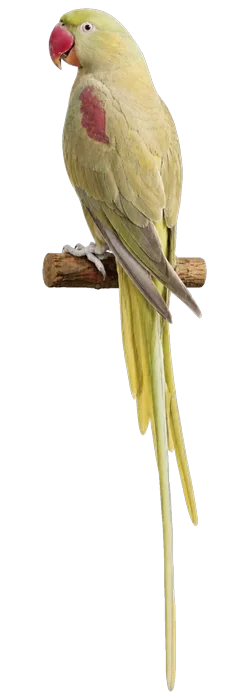
Sex-linked Ino removes eumelanin. In the green series the bird appears Lutino/yellow with red eyes. In the blue series the same Ino effect produces Albino.
Sex-linked recessive on the Z chromosome. Cocks can be visual or split; hens cannot be split as they are hemizygous.
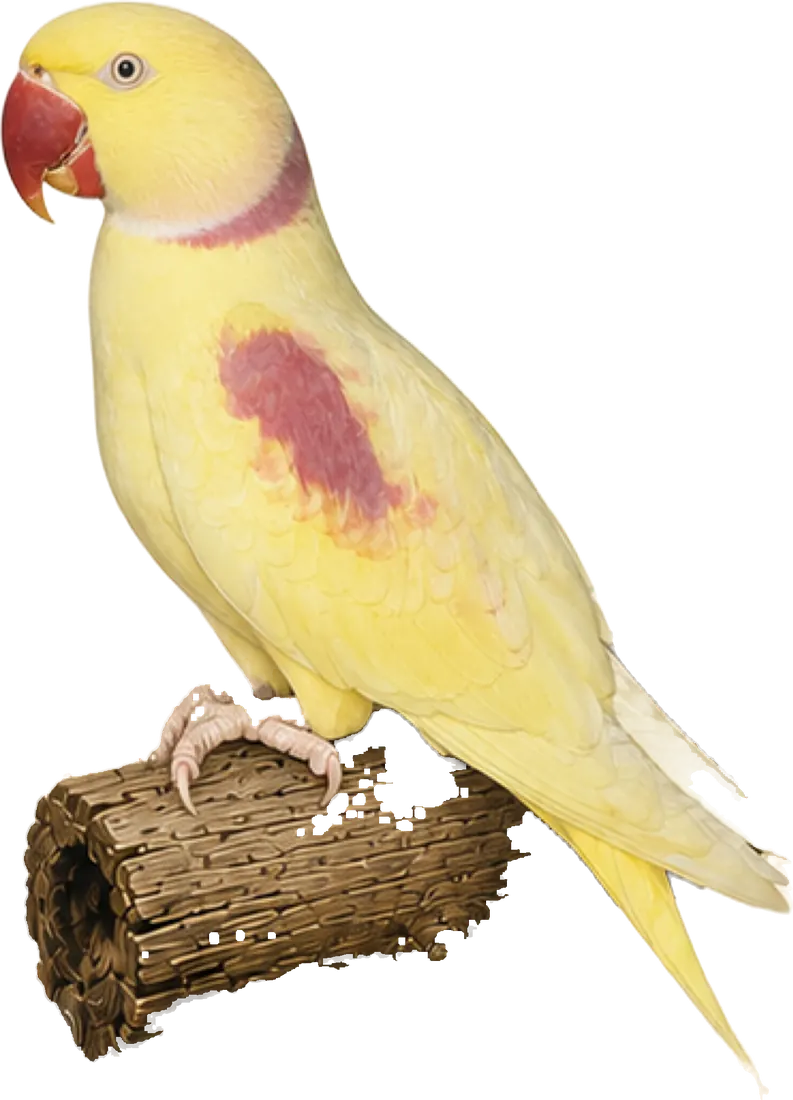
These are the visual results when two or more single-locus mutations stack. They are not separate genes and do not have their own inheritance class — the inheritance follows the underlying loci. Listing them as standalone mutations was the central error in v1.
| Combo name | Genetic formula | Notes |
|---|---|---|
| Albino | Blue + Lutino | Pure white, red eye. SLino sex-linked rules apply. |
| Cobalt | Blue + Dark SF | Bright royal-blue body. |
| Cremino | Parblue-series + Lutino | Cream / pale-yellow body, red eye. |
| Lacewing | Cinnamon + Lutino | Yellow body with cinnamon-brown lacing. Both loci on Z. |
| Mauve | Blue + Dark DF | Deep grey-purple body. |
| Olive | Green + Dark DF | Yellow-olive body, dark wings. |
| Violet Blue | Blue + Dark SF + Violet SF/DF | Most prized visual phenotype. |
Follow program updates, reach out directly, or register interest before making contact.
Follow @AKQ_Birds for breeding updates, featured lines, and program announcements.
For serious enquiries, line discussions, or approved breeder contact — message AKQ directly on WhatsApp.